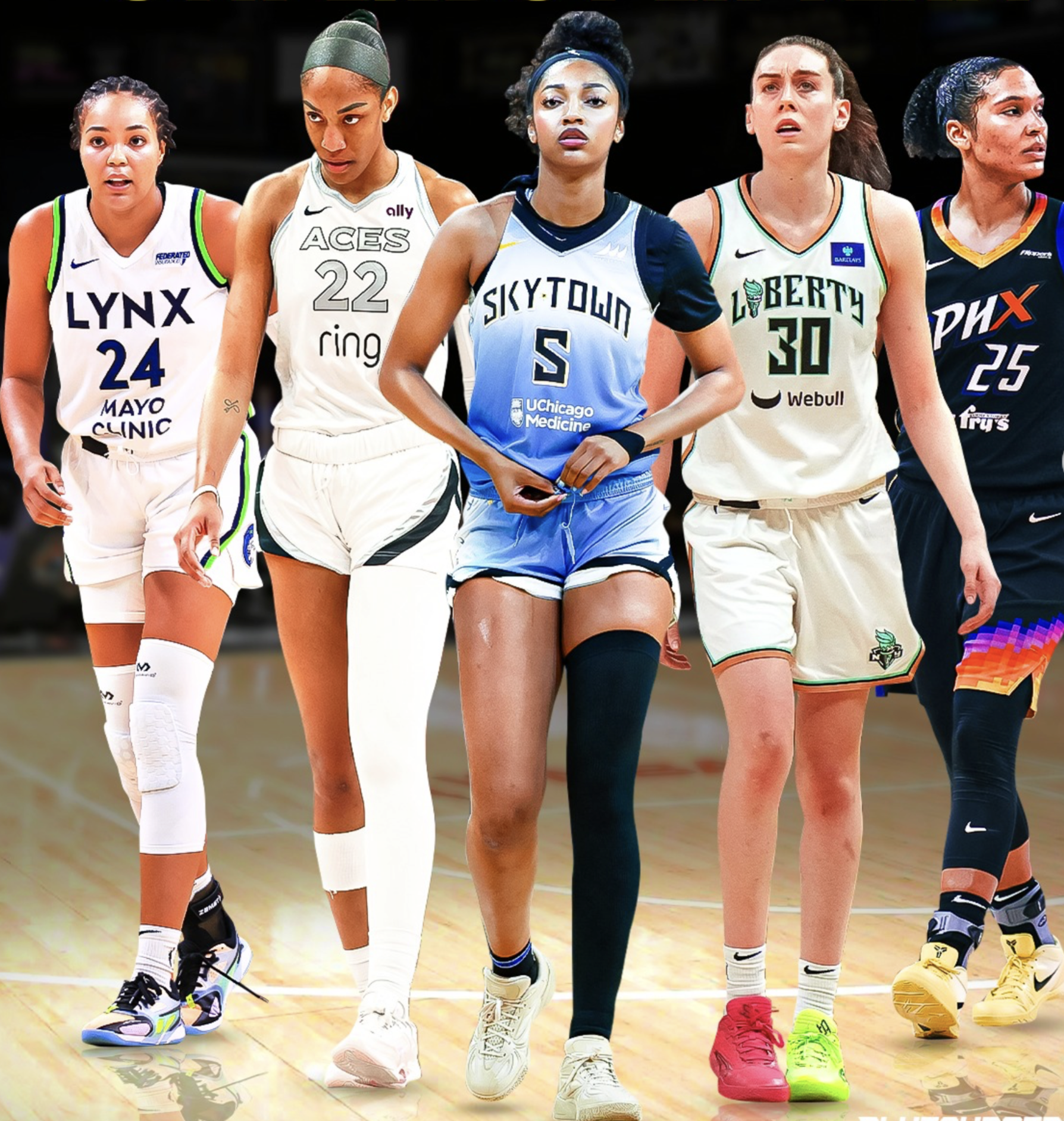
The Noise. The Movement. The Gatekeepers.
WNBA Players Deserve Equitable Pay:
Angel Reese's Fuel Campaign Proves It
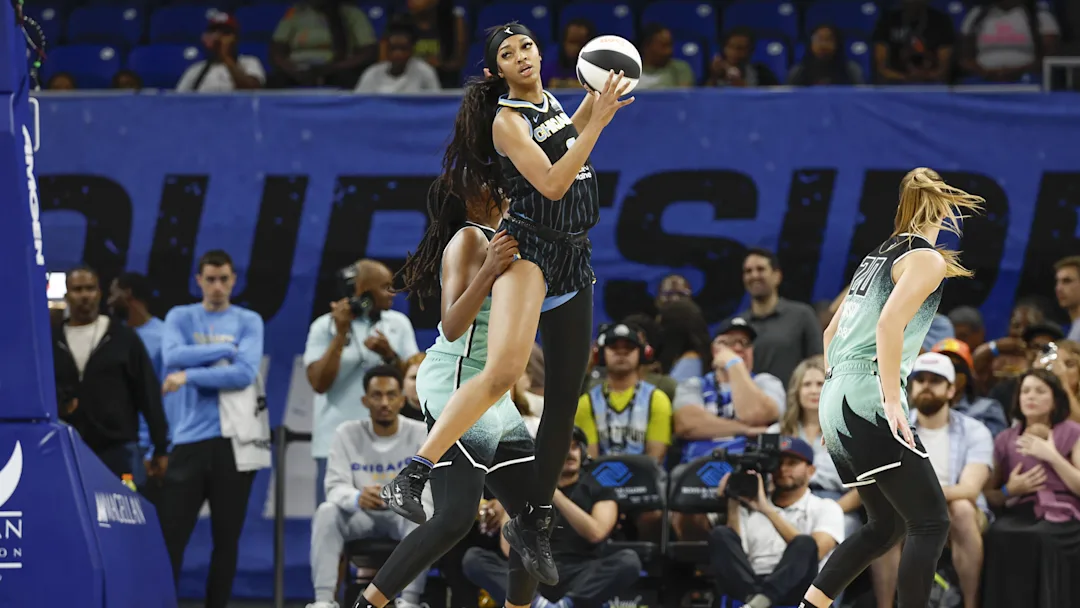
Angel Reese, Kamil Krzaczynski-Imagn, Image via Sports Illustrated
WNBA Players Deserve Equitable Pay:
Angel Reese's Fuel Campaign Proves It
Angel Reese, Kamil Krzaczynski-Imagn, Image via Sports Illustrated
Angel Reese's "Fuel" campaign does not just step into this moment. It sets the whole thing on fire, showing what happens when culture, visibility, and investment finally collide.
The chaotic soundtrack, the debates, the headlines, the doubters, and the nonstop commentary. The spotlight is unavoidable, and the world is finally paying attention.
A cultural force powered by athletes who dominate on the court and bring a level of skill and influence that cannot be ignored, and a generation that understands the true value and impact of these players.
The systems that determine visibility and value, controlling the marketing dollars, media space, and compensation structures that dictate the value of a contract long before a player steps on the court.
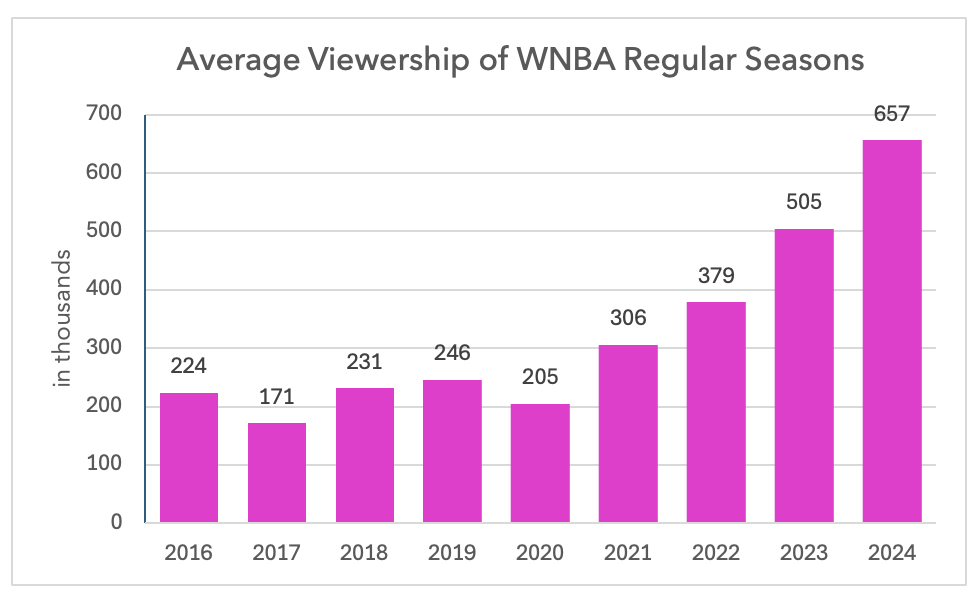
The WNBA has experienced unprecedented growth in viewership. The 2025 WNBA postseason averaged 1.2 million viewers, making it the most-watched postseason in WNBA history. Sponsorship revenue has increased by 52% since 2022, while merchandise sales surged over 250%, signaling expanding fan engagement and marketing opportunities. However, challenges remain, particularly regarding equitable media visibility, marketing investments, and salaries.
Visibility decides who gets valued, and growth alone does not guarantee opportunity. In spite of its notoriety and influence, the WNBA still lags behind the NBA in consistent, high-value media coverage, a critical factor that impacts marketing investments. This ongoing underexposure contributes to salary disparities that persist despite the league's commercial and cultural growth.
Although the WNBA has improved its national visibility, like the Indian Fever broadcasting/streaming 41 of 44 games, the gap remains substantial between the number of NBA games nationally broadcast and the WNBA. In the 2025 regular season, the WNBA televised about 50 to 100 games nationally, depending on how national and streamed games are counted and whether all network and streaming platforms are included. While 247 NBA games during the regular season were nationally televised.
Ad spend has increased by 139% across all women’s sports, and more brands have invested in ads; however, the increase is largely due to Disney’s higher CPMs (cost to reach 1,000 views). The CPMs were $180 for WNBA playoff ads, compared to $55-$75 for NBA game ads.
WNBA athletes are becoming more powerful marketing assets capable of driving substantial brand value. Angel Reese of the Chicago Sky has rapidly grown her brand beyond basketball, securing over 20 endorsement deals with top brands like McDonald’s, Reese’s, and Reebok. This surge in attention is not exclusive to Reese; other leading players, such as Sabrina Ionescu and Breanna Stewart of the New York Liberty, Las Vegas Aces’ A'ja Wilson, Caitlan Clark of the Indiana Fever, and Paige Bueckers of the Dallas Wing, also command influential endorsements that elevate the league’s overall marketability.
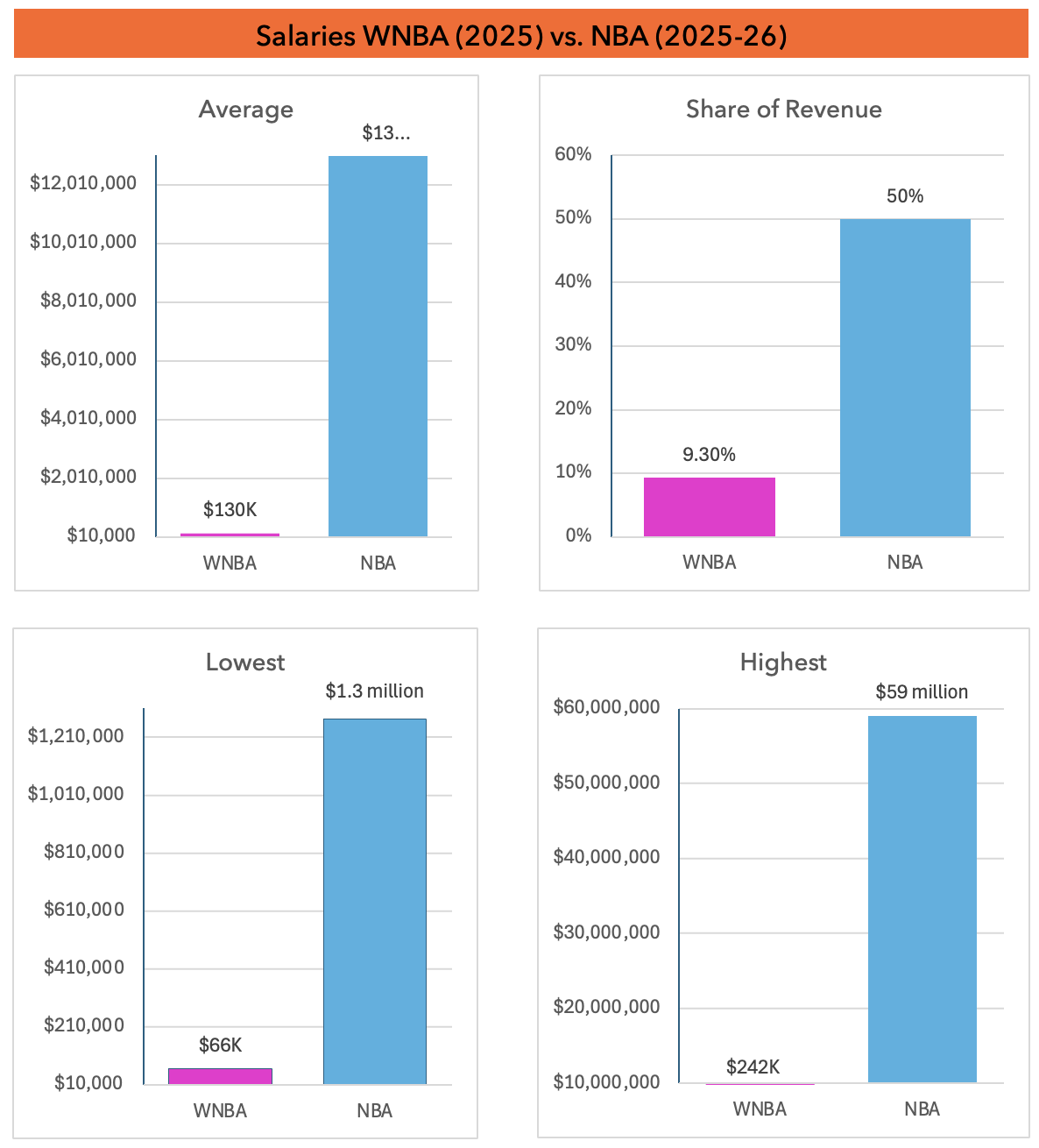
Despite the marketing successes and increasing endorsement opportunities, WNBA players still face significant salary disparities compared to NBA players. In 2025, WNBA players’ salaries range from $66,000 to $242,000, with an average income of $130,000, representing 9.3% of the league’s revenue. Meanwhile, NBA players are guaranteed 49% to 51% of the league’s revenue, with salaries ranging between $1.3 million and $59 million; the average salary exceeds $13 million. This stark pay gap highlights the urgent need for more equitable revenue sharing and greater investment in women’s professional basketball.
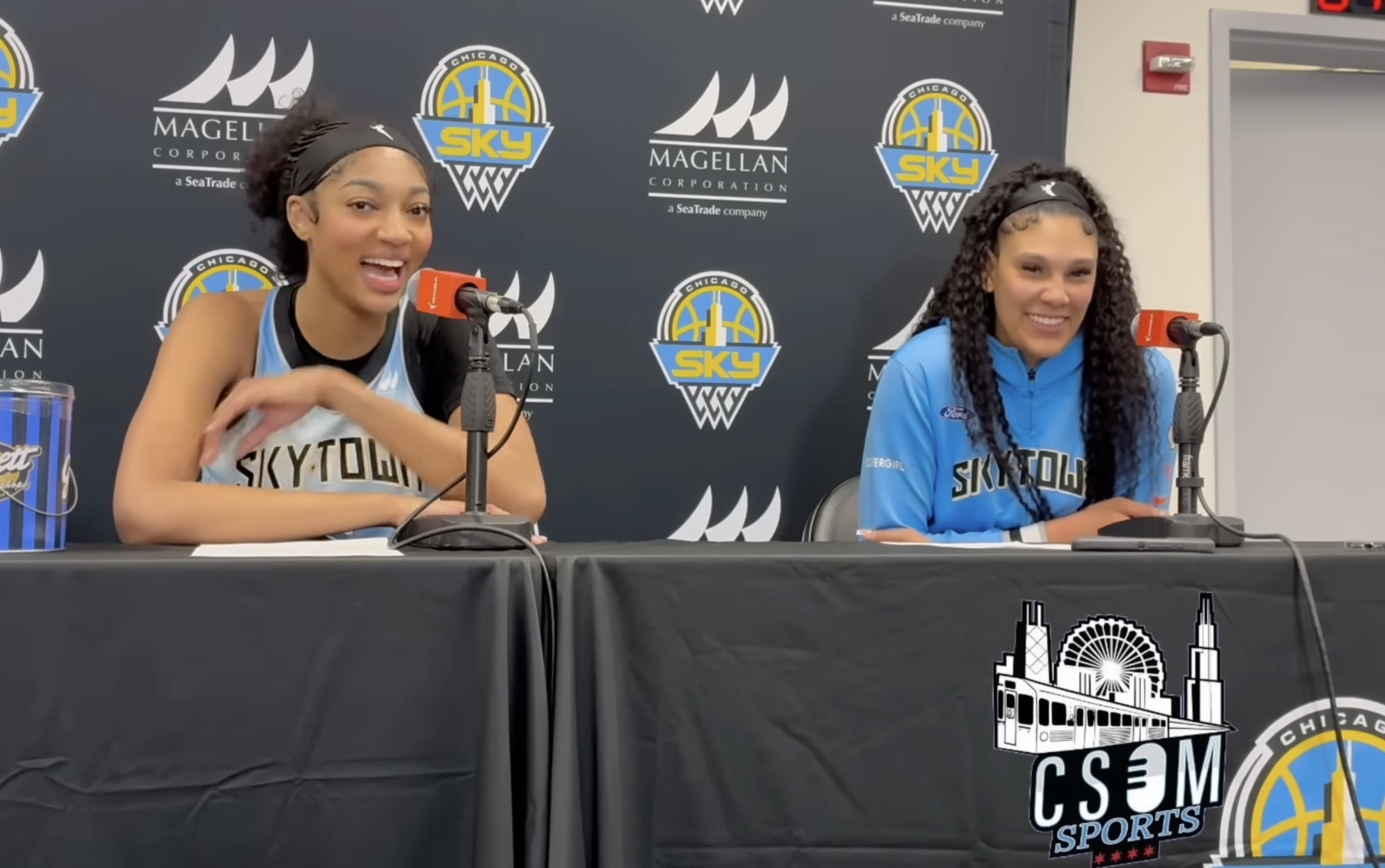
Reese and Cardoso via Chicago State of Mind Sports
The players themselves have been increasingly vocal about their low salaries. Angel Reese put it bluntly, “The WNBA doesn’t pay my bills at all. I don’t even think it pays one of my bills.” Kelsey Plum of the Las Vegas Aces has repeatedly emphasized that the issue isn’t about matching NBA salaries but about fairness. “We’re not asking to get paid what the men get paid, we’re asking to get paid the same percentage of revenue shared.” Caitlin Clark echoed the sentiment, saying, “We should be paid more, and hopefully that's the case moving forward, as the league continues to grow.” And veteran Napheesa Collier of the Minnesota Lynx, referencing a remark from WNBA Commissioner Cathy Engelbert, highlighted just how deep the disconnect can be. “Notoriously low-paid stars like Caitlin Clark should just be grateful the league has given them a platform that enables them to earn money from sponsorship.”
"The WNBA doesn't pay my bills at all. I don't even think it pays one of my bills."
Angel Reese
"We're not asking to get paid what the men get paid, we're asking to get paid the same percentage of revenue shared."
Kelsey Plum, Las Vegas Aces
"We should be paid more, and hopefully that's the case moving forward, as the league continues to grow."
Caitlin Clark
"Notoriously low-paid stars like Caitlin Clark should just be grateful the league has given them a platform that enables them to earn money from sponsorship."
Napheesa Collier, Minnesota Lynx — referencing WNBA Commissioner Cathy Engelbert
Players did not just talk about their frustrations; they showed them. Before the All-Star Game, players took to the court in black T-shirts with a bold statement, "Pay us what you owe us."
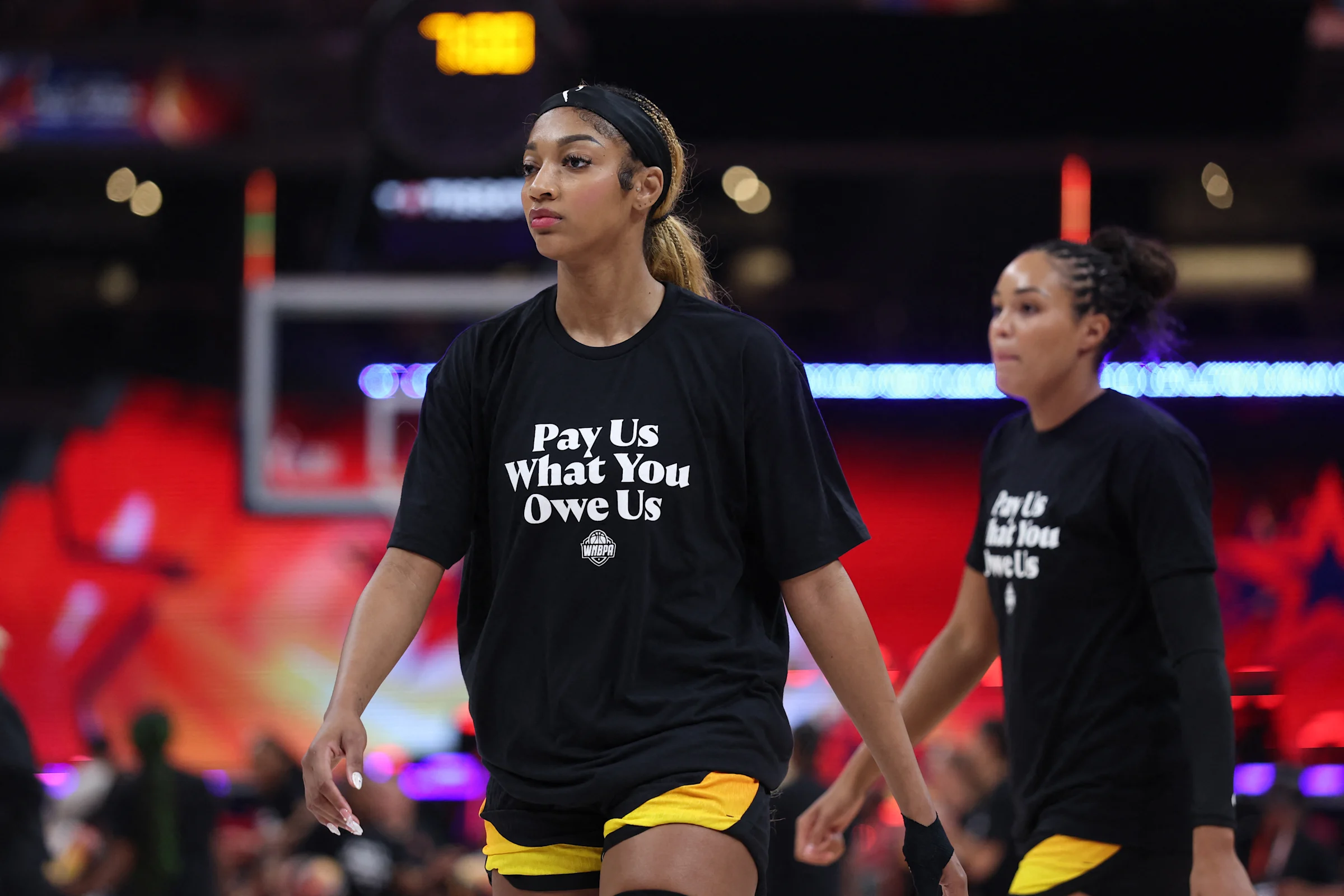
Trevor Ruszkowski-Imagn Images via Yahoo Sports
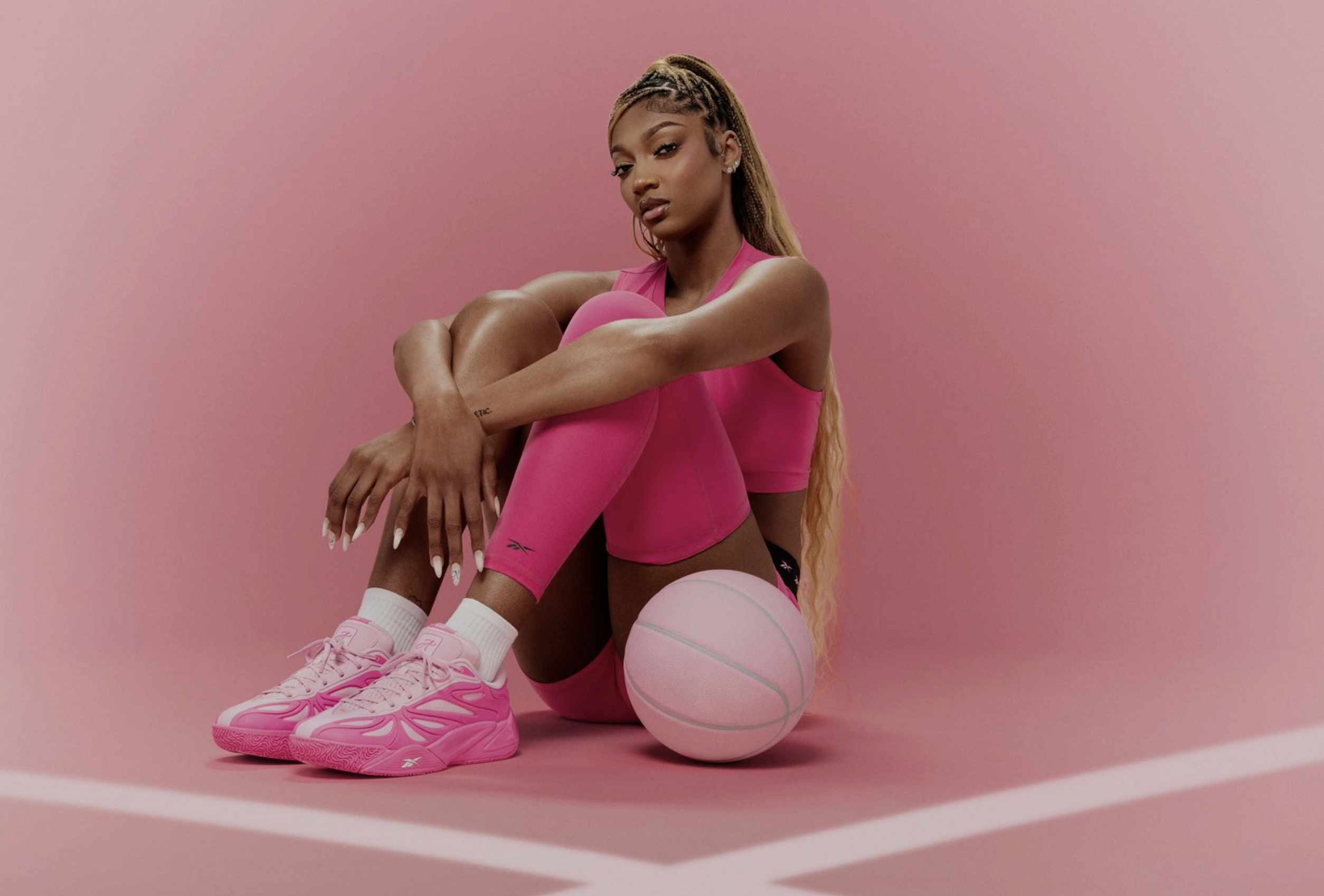
Image via Reebok Newsroom
While the league fights for fair value, its players are proving their worth on an entirely different stage. The growing brand power of Reese and her peers (Caitlin Clark, Cameron Brink, and Kelsey Plum), combined with marketing initiatives like the Reebok campaign, clearly shows that the market demand exists.
Ads shown during the NBA's 2024-2025 season were 24% more effective than the ads shown during primetime TV and cable, while ads during the 2024 WNBA season outperformed primetime ads by 39%. Achieving equality requires intentional efforts.
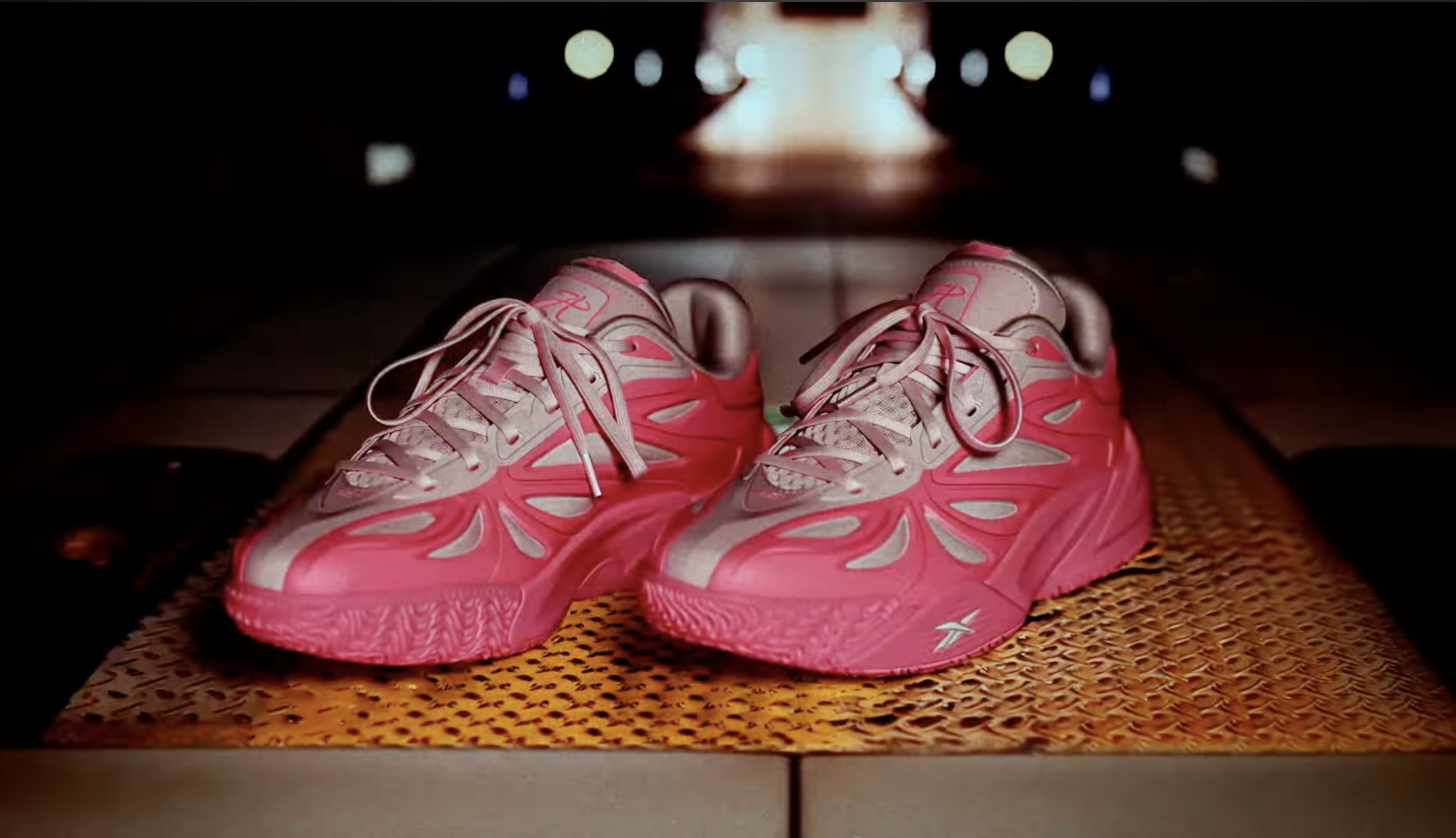
Major brands are recognizing this opportunity. Reebok's multi-year WNBA partnership and collaboration with Angel Reese demonstrates how strategic investment in women's basketball creates mutually beneficial outcomes for both athletes and the brands. Her 2024 collaboration not only marked the brand's return to basketball but also resulted in the Angel Reese 1, the first WNBA signature shoe from Reebok in almost three decades.
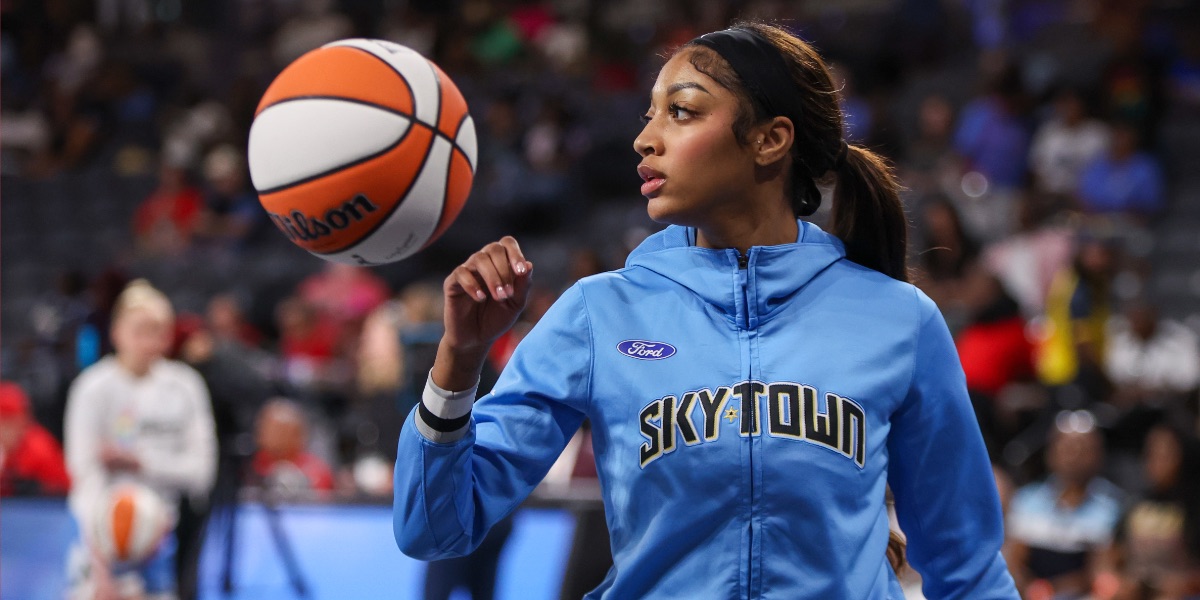
Angel Reese, Brett Davis-Imagn Images, via Bleacher Nation
Posted 20.6 points and 14.6 rebounds per game (2022-23)
Led LSU to its first-ever women's basketball national championship.
Set the single-season NCAA record with 34 double-doubles.
Averaged 23 PPG and 15.4 RPG during LSU's championship — one of the best postseason runs ever.
Awarded 2023 NCAA Tournament MVP for her dominance on the court.
Averaged double-digit scoring and rebounding.
Holds the rookie record of 26 double-doubles.
Rated as one of the Top 5 highest-earning NIL athletes in all of college sports — male or female — with deals exceeding $1.5 million.
Secured major partnerships with Reebok, McDonald's, Starry, Beats by Dre, Victoria's Secret, and more.
Became the first WNBA player in almost 30 years to receive a signature shoe with Reebok.
Angel Reese's now-famous line — "I'm not just a basketball player. I'm a brand." — demonstrates her impact in both sports and culture.
Generated massive media interest: coverage spikes, social discussion, and viral game moments. Reese has been called a "cultural engine" for women's basketball.
The Angel Reese 1s, released September 18th, sold out online within minutes, with Reese's AI-powered ad, "Fuel," dropping the day before, provided a concrete example of how this investment strategy translates into advertising practice. Fuel marked a major leap forward for women's sports advertising, demonstrating not only a commitment to AI innovation and athlete-driven storytelling but also underscoring a case for investing in WNBA athletes as drivers of equitable growth.
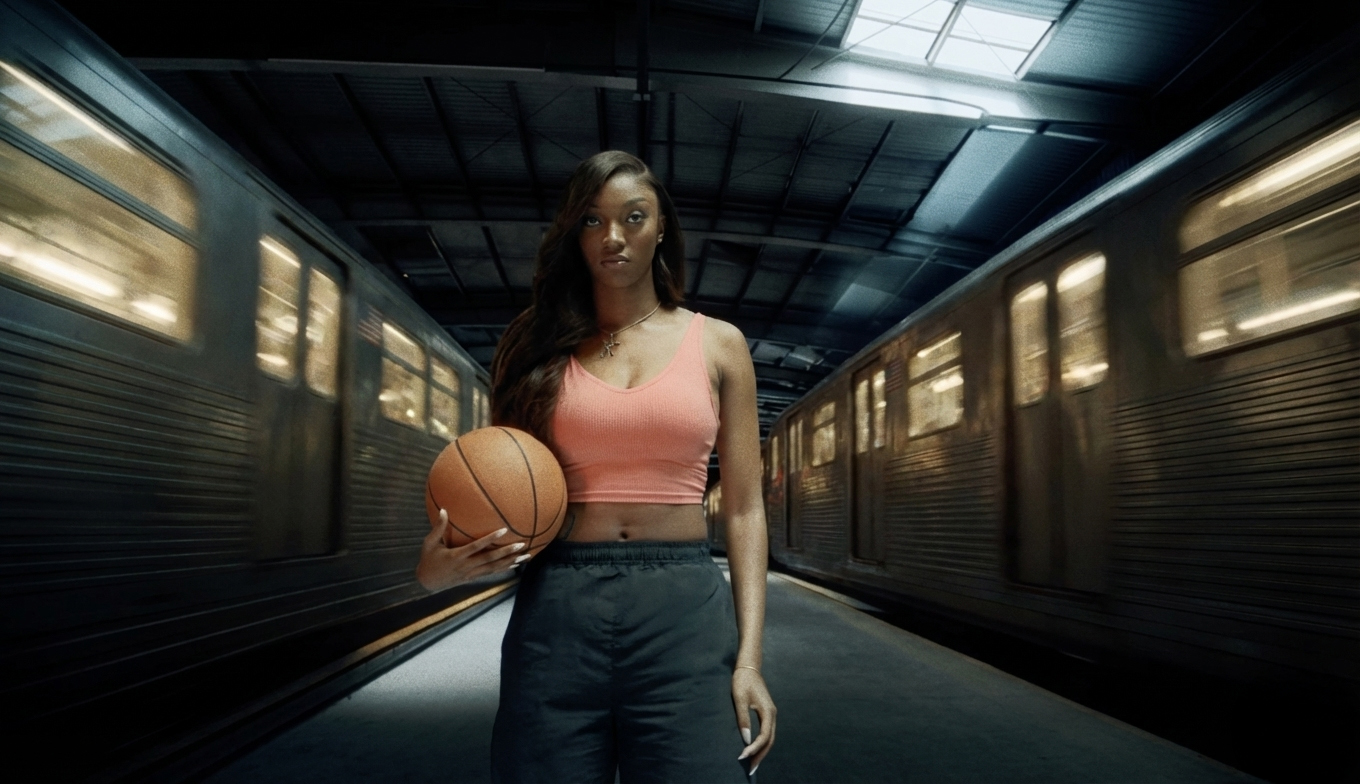
The ad does not begin with a spotlight or a staged locker room moment; it begins underground, as the subway train rushes by in a blur, with shrieking wheels and lights flickering. The subway is not glamorous, and that is the point. It is a place where noise is unavoidable. The flickering lights, the unnatural speed of the passing trains, the hyper-real precision in how the camera holds her steady while everything else blurs is the result of advanced Artificial intelligence technology.
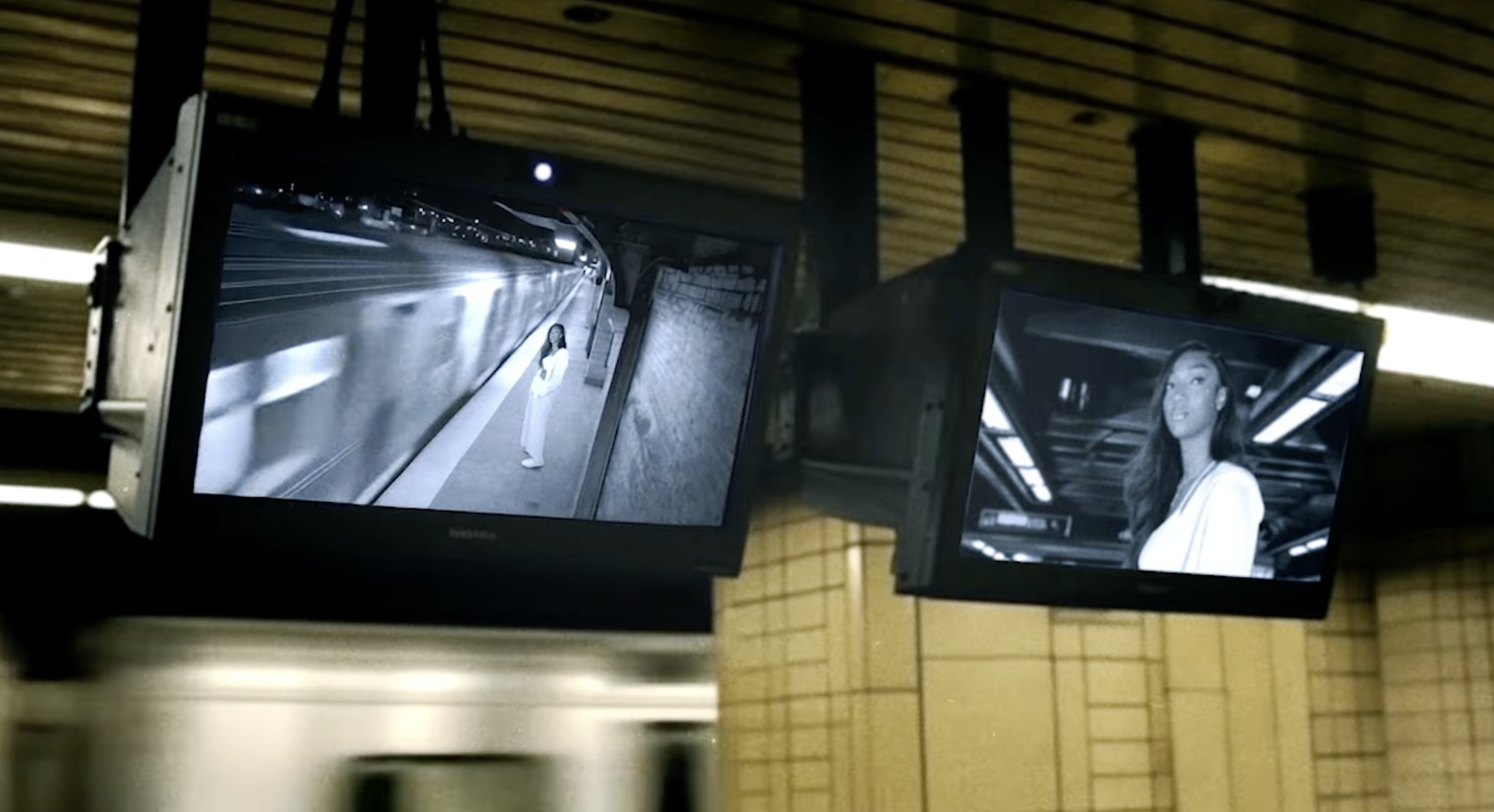
AI is quietly threaded throughout the ad, slightly heightening the environment. The result is a form of reality sharpened, polished, and amplified to support the emotional core of the ad. The subway looks real, but the way the light bends, the way motion distorts, the way the background accelerates while Angel remains grounded; those are the director's choices that made the scene more expressive and intense, supported by AI technology. AI was used not as a replacement for human filmmaking but as an extension and a tool that helped the creative team push beyond the limits of traditional filming, and in record time.
They intensified the chaos around her, stabilized her frame, and allowed the environment to move with exaggerated intensity without feeling animated or artificial. Her stillness feels almost superhuman. There is a slight warm glow with camera angles changing between wide shots of the station and tight angles of her face. It is a subtle spotlight following her everywhere. That stillness becomes even more powerful when her voice begins the narration. "Noise. Headlines. Hashtags."
The camera cuts quickly, giving us a brief glimpse of the shoe. In the middle of all that movement, Angel Reese stands completely still. Not frozen. Centered, owning her space. She knows who she is, but she also knows that the people will always talk. The headlines, the chatter, the endless opinions. She does not pretend that the criticism and negativity do not exist; she acknowledges it directly, and instead of running from it, she defines it.
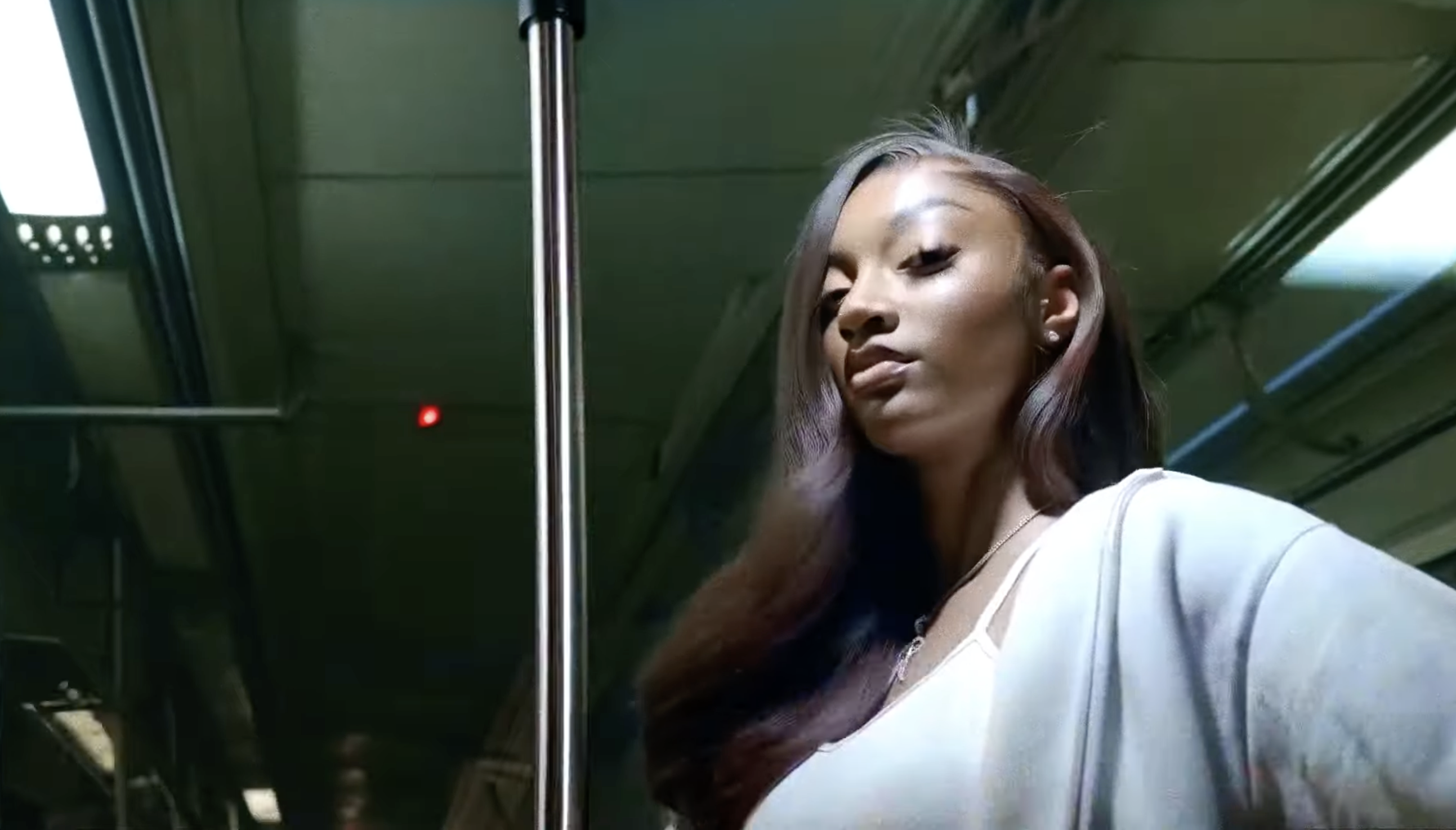
Even the moment when Angel steps onto the train feels symbolic. Instead of showing her stepping off the train, escaping the criticism, rising above, and leaving the noise behind, she confidently says, "But I board it anyway". She enters the space where the noise lives, where criticism circulates, where opinions travel fast. Then she flips the narrative.
In an instant, what once looked like a threat reveals itself as the wind-up before the strike — the push that propels her, the fuel source that drives her.
When the doors close behind her, the message is clear; she is not running from anything.
She is not trying to make you feel sorry for her or cheer for her; she is simply showing you the world she moves in and the voice she hears.
By the time the final shot lands and the shoe is clearly framed in the light, there is a sense that it is less of a commodity and more of her stamp, her signature. Something earned, not handed. She is not just selling a shoe; she is selling ownership. This is hers; the negativity cannot change that. "This is the Angel Reese 1, by Reebok."
Fuel is not just another ad; it is bigger than that. Fuel is what happens when innovation meets intention. WNBA players are generating record-breaking attention, driving unprecedented sponsorship value, and being featured in some of the most innovative campaigns in sports marketing, yet their compensation remains drastically misaligned with their impact.
Salaries are more than numbers; they are a statement of value, respect, and sustainability. When media coverage expands, and marketing budgets follow, revenue increases. That revenue should funnel back to the players, fairly and proportionally, like with the NBA players. The fact that WNBA players currently receive only about 9.3% of league revenue reflects not a lack of talent or market demand, but a structural undervaluation.
Salary equity must remain the end goal. Fuel is proof positive of what is possible, a glimpse of what happens when media, marketing, and money move in the same direction. The next step is ensuring that those possibilities translate into financial equity for the women doing the work. When investment matches influence, visibility matches value, and pay reflects performance.
Pay these players what they are worth — they have already earned it!